Free shipping on orders over € 300! Use code: WELCOME10 for 10% off your first order.

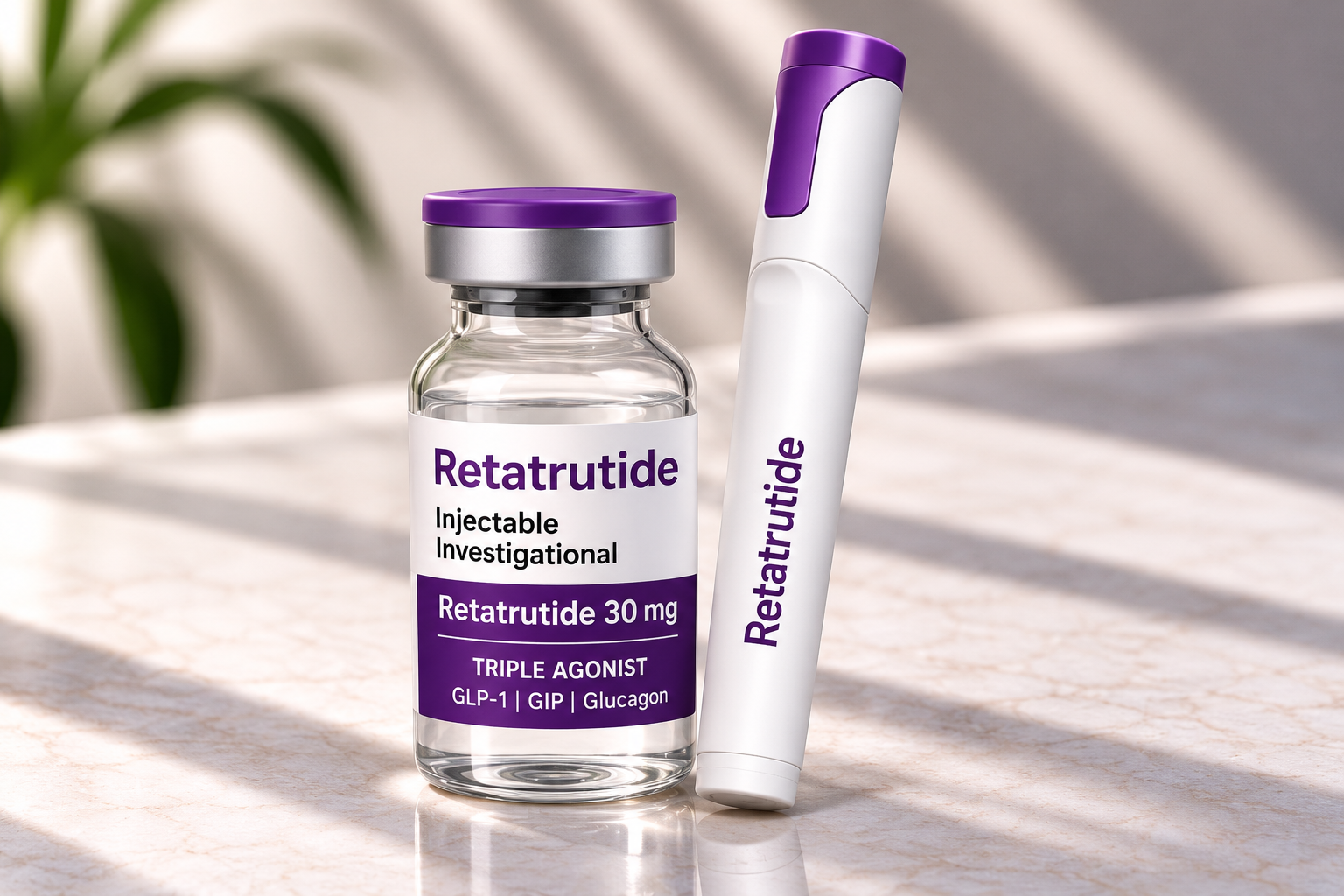
Retatrutide 30 mg

This peptide is intended for research purposes only.
Retatrutide
30 mg 30 mg per vial
1
Our Price: €0.00
  • Parameter
    Specification / Detail
  • Active Ingredient / Molecule
    Retatrutide
  • Alternative Names
    Retatrutide, LY3437943, Reta Peptide, Triple Agonist, GLP-1/GIP/Glucagon Receptor Agonist
  • Administration Route
    Lyophilized Peptide Powder (30 mg per vial)
  • Pharmacological Class
    Investigational Triple-Receptor Agonist; Synthetic Peptide (GLP-1, GIP and Glucagon Receptors)
  • Primary Functional Goal
    Metabolic Research; Body Weight Regulation, Glucose Metabolism and Energy Homeostasis Research

Description

−

Retatrutide 30 mg contains retatrutide, a long-acting synthetic peptide that activates GLP-1, GIP, and glucagon receptors. It belongs to a class of compounds known as triple-receptor agonists. Unlike semaglutide, which acts on GLP-1 receptors, or tirzepatide, which targets GLP-1 and GIP, retatrutide activates all three pathways. These hormones influence appetite, insulin secretion, blood sugar regulation, and energy expenditure. Retatrutide is associated with substantial reductions in body weight and improvements in metabolic markers in clinical studies. Its extended half-life of approximately six days distinguishes it from shorter-acting peptides.

Composition

+

Retatrutide is a synthetic peptide with a modified molecular structure designed to activate three metabolic hormone receptors. It contains a fatty acid side chain that helps slow elimination from the body, giving it a half-life of approximately six days. GLP-1 receptor activity influences appetite and glucose-dependent insulin secretion. GIP receptor activity contributes to insulin regulation, while glucagon receptor activity affects energy metabolism. Unlike anabolic steroids, retatrutide is not derived from testosterone and does not have androgenic activity. The referenced vial contains 30 mg of lyophilized retatrutide powder.

Outcome

+
  • Body Weight Reduction: Associated with substantial decreases in body weight, with a Phase 2 clinical trial reporting average reductions of up to 24.2% after 48 weeks.
  • Appetite Regulation: Acts on hormone receptors involved in hunger and satiety, contributing to reduced appetite and food intake.
  • Blood Sugar Control: Associated with improved blood glucose regulation and lower HbA1c levels in people with type 2 diabetes.
  • Energy Metabolism: Glucagon receptor activity influences energy expenditure and contributes to the compound's distinctive metabolic profile.
  • Liver Fat Reduction: Associated with reductions in liver fat and improvements in selected metabolic markers.
  • Long-Acting Profile: Its approximately six-day elimination half-life allows prolonged activity compared with shorter-acting peptides.

Side Effects

+
  • Nausea, one of the most frequently reported adverse effects.
  • Vomiting, diarrhea, constipation, and abdominal discomfort.
  • Bloating, indigestion, and other gastrointestinal disturbances.
  • Reduced appetite, which may contribute to inadequate nutritional intake.
  • Increased heart rate in some individuals.
  • Altered skin sensations, including tingling, burning, or increased skin sensitivity.
  • Pain, redness, or irritation at injection sites with clinical injectable formulations.
  • Dehydration and electrolyte imbalances associated with persistent vomiting or diarrhea.

Important Safety Information

+
  • Contraindications: A complete contraindication profile has not been established. Particular concerns include serious allergic reactions and significant gastrointestinal or pancreatic disease. Safety during pregnancy, breastfeeding, and in people under 18 has not been established.
  • Common Side Effects: Nausea, vomiting, diarrhea, constipation, abdominal discomfort, reduced appetite, and injection-site reactions.
  • Serious Risks: Persistent gastrointestinal symptoms may cause dehydration and electrolyte disturbances. Increased heart rate and other potential metabolic complications require medical assessment.
  • Blood Sugar Regulation: Retatrutide affects glucose and insulin-related pathways. Combining glucose-lowering compounds may increase the risk of hypoglycemia, particularly with insulin or sulfonylureas.
  • Pregnancy & Breastfeeding: Safety has not been established during pregnancy or breastfeeding.
  • Drug Testing: Retatrutide falls under the World Anti-Doping Agency's prohibition of non-approved pharmacological substances.
  • Product Quality: The referenced 30 mg vial is labelled for research use only. A purity claim does not establish sterility, accurate strength, authenticity, or suitability for human administration.

FAQ

+

What is Retatrutide 30 mg?

Retatrutide 30 mg is a lyophilized peptide product labelled as containing 30 mg of retatrutide (LY3437943), an investigational synthetic triple-receptor agonist targeting GLP-1, GIP, and glucagon receptors.

How does retatrutide work?

Retatrutide activates GLP-1, GIP, and glucagon receptors involved in appetite regulation, insulin secretion, glucose metabolism, and energy expenditure. Its combined receptor activity is being studied for metabolic disorders.

Is retatrutide the same as semaglutide or tirzepatide?

No. Semaglutide activates GLP-1 receptors, tirzepatide activates GLP-1 and GIP receptors, and retatrutide activates GLP-1, GIP, and glucagon receptors.

What are the common side effects of retatrutide?

Reported side effects include nausea, vomiting, diarrhea, constipation, abdominal discomfort, and altered skin sensations. Changes in heart rate have also been observed in clinical research.

Similar picks

related products

View All arrow_forward

Are you ready to start feeling great?

Explore trusted products, clear information and support for your fitness journey.

Subscribe Now